
Emergency Winter Shelter Funding Through Community Gaming
Emergency winter shelter programs face unique funding challenges due to their seasonal nature and the urgency of their mission. Community gaming events have proven exceptionally effective at generating the rapid funding necessary to maintain operations during critical cold-weather months. These events leverage the entertainment value of casino-style gaming to engage community members who understand the life-saving importance of winter shelter access, creating fundraising campaigns that are both timely and compelling while addressing immediate operational needs.
Winter Shelter Funding Requirements
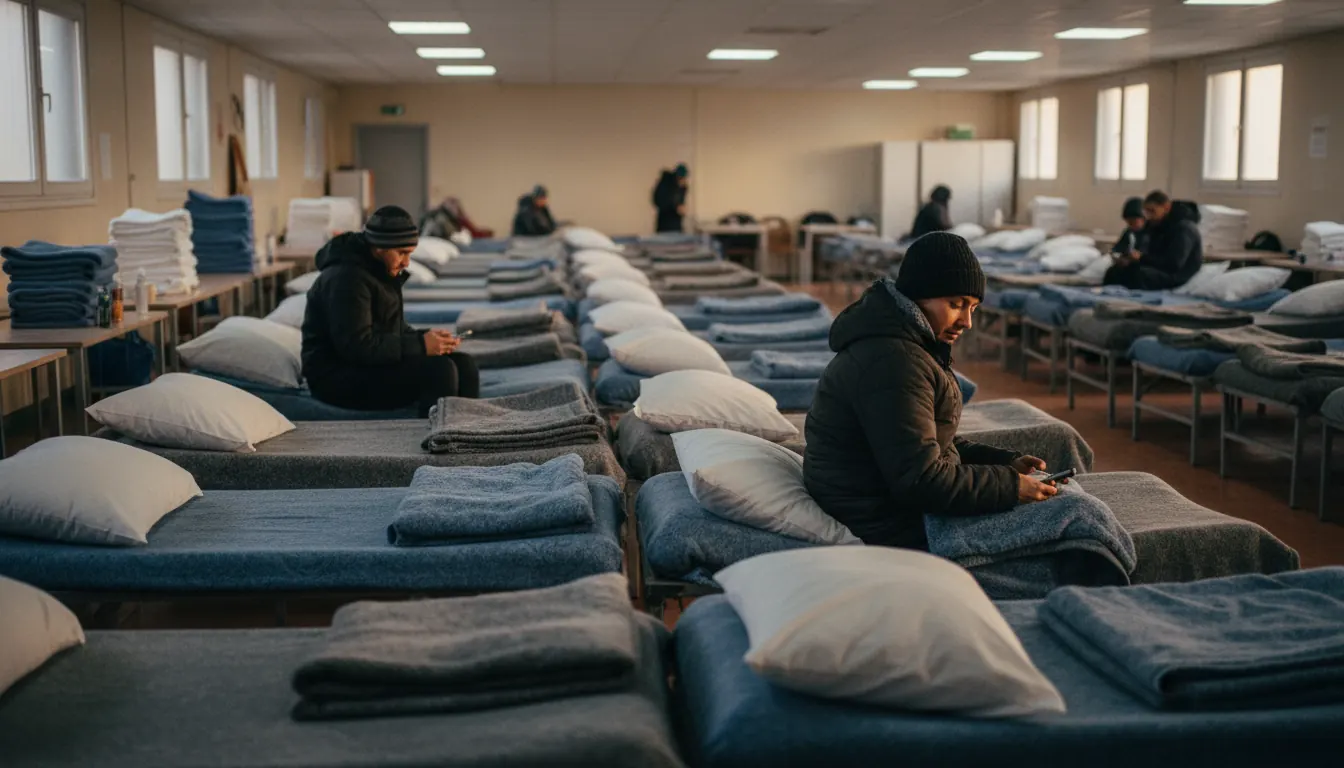
Operating an emergency winter shelter from November through March requires substantial resources beyond basic facility costs. Organizations must account for increased staffing during extended hours, heating and utility expenses that spike during cold months, additional bedding and winter clothing supplies, and enhanced meal services to provide adequate nutrition during harsh weather. Community gaming events typically occur in early fall, perfectly timed to generate revenue before peak demand periods.
| Expense Category | Monthly Cost | Season Total |
|---|---|---|
| Facility Operations | $8,500 | $42,500 |
| Staffing & Security | $12,000 | $60,000 |
| Meals & Supplies | $6,500 | $32,500 |
| Utilities & Heating | $4,200 | $21,000 |
"A single well-executed casino fundraising event in September generated enough revenue to cover 65% of our emergency winter shelter operational costs, ensuring we could keep our doors open throughout the coldest months without interruption or capacity reductions."
Gaming Event Revenue Allocation
Transparent communication about how gaming fundraiser proceeds support winter shelter operations builds donor trust and encourages repeat participation. Successful organizations provide detailed breakdowns showing exactly how funds translate into nights of shelter, meals served, and lives protected from dangerous weather conditions.
- Direct shelter operations receive 70-75% of net proceeds to cover immediate operational expenses
- Case management services allocated 15-20% to help clients transition beyond emergency shelter
- Equipment and facility maintenance reserve 5-10% for critical repairs and improvements
- Marketing and donor stewardship utilize remaining funds to sustain long-term support relationships
Building Sustainable Winter Shelter Support
While gaming events provide significant one-time revenue injections, the most successful organizations use these events as entry points for ongoing donor relationships. Attendees who enjoy casino fundraisers often become monthly donors, volunteer during winter shelter operations, or organize additional fundraising activities within their personal networks. The key is treating gaming events not as isolated fundraising tactics but as components of comprehensive donor cultivation strategies that build year-round community investment in emergency shelter services. Follow-up communications sharing winter shelter impact stories and inviting deeper engagement convert event attendees into committed advocates for homeless assistance programs.