
Emergency Winter Shelter Services for Vulnerable Communities
Emergency winter shelter programs serve as critical safety nets during months when exposure to cold temperatures poses life-threatening risks to unsheltered individuals and families. These seasonal programs operate from November through March in regions like the Santa Clarita Valley, providing not just beds but comprehensive support services that help vulnerable populations survive harsh weather while connecting with resources that support pathways to permanent housing. Understanding who these programs serve, what services they provide, and why seasonal access remains essential illuminates both their immediate life-saving value and their role in broader homeless service systems.
Who Winter Shelters Serve
Winter shelter guests represent diverse demographics facing varied circumstances that led to their homelessness. Single adults comprise the largest category, including individuals who lost employment, experienced relationship breakdowns, or struggle with health challenges that disrupted housing stability. Families with children represent a growing proportion of winter shelter users, often including working parents whose incomes simply cannot keep pace with housing costs. Seniors on fixed incomes, young adults aging out of foster care, and veterans experiencing service-related challenges all access winter shelter programs that provide immediate safety during the most dangerous months.
- Working individuals who earn insufficient wages to afford market-rate housing in their communities
- Families experiencing temporary crises such as domestic violence, medical emergencies, or sudden job loss
- Adults managing chronic health conditions who lack stable housing and regular medical care access
- Young adults without family support systems transitioning into independent living circumstances
- Seniors whose retirement income proves inadequate for housing costs in high-cost regions
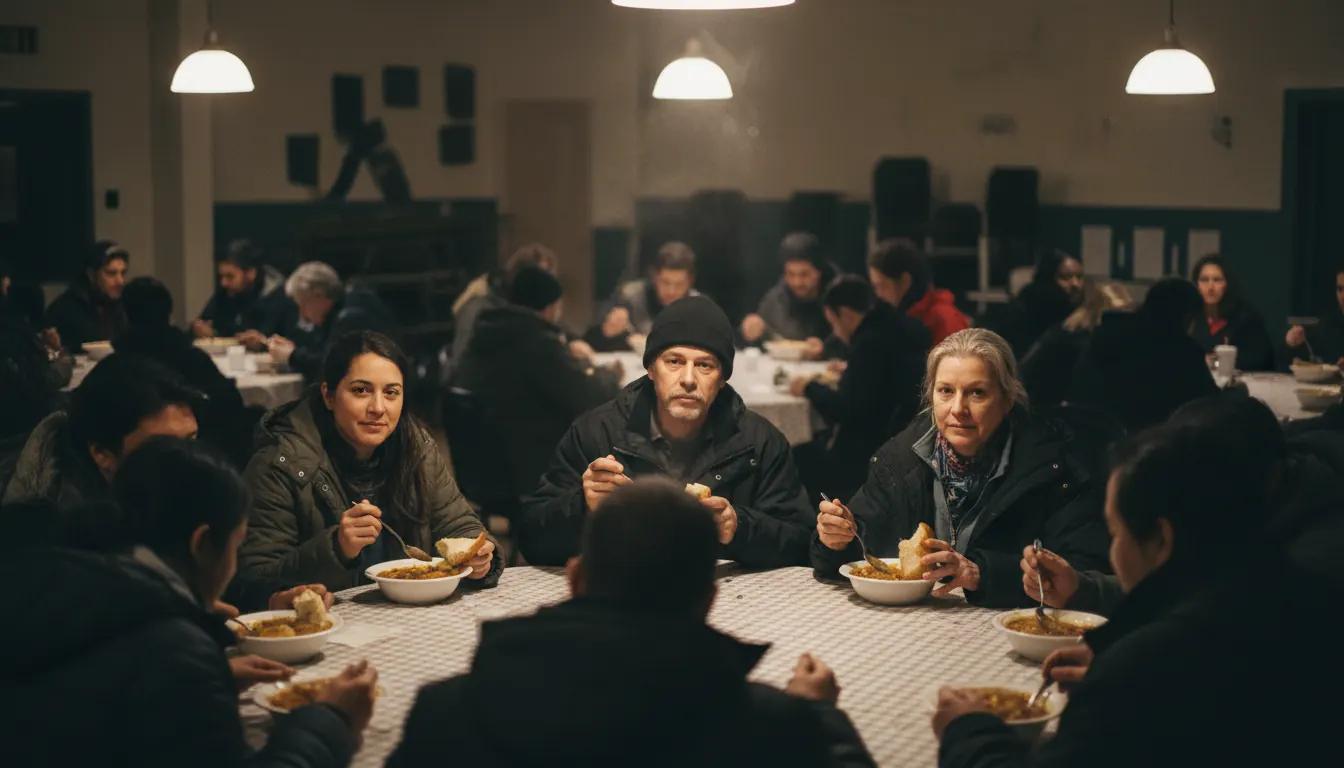
Winter Shelter Service Scope
Modern winter shelters provide far more than basic overnight accommodations, operating as comprehensive service hubs that address multiple dimensions of homelessness:
| Service Category | Components | Daily Capacity |
|---|---|---|
| Basic Needs | Beds, meals, showers, laundry | 60-70 individuals |
| Case Management | Assessment, planning, referrals | 15-20 consultations |
| Medical Support | Health screening, medication, care coordination | 8-12 appointments |
| Housing Navigation | Unit search, applications, placement support | 5-8 active searches |
"Our winter shelter isn't just about keeping people warm—though that's critically important. It's about providing the stability needed to address the complex challenges that led to homelessness in the first place, creating pathways to permanent housing rather than just surviving another winter on the streets."
Why Seasonal Access Matters
The seasonal nature of emergency winter shelters reflects both resource constraints and heightened urgency during cold months, but this timing creates both opportunities and challenges. Winter weather makes homelessness visibility unavoidable, mobilizing community support and volunteer engagement that might be harder to sustain year-round. The defined season allows organizations to concentrate resources during peak need periods, maximizing impact with available funding. However, seasonal operations also mean clients must transition back to uncertain situations when shelters close in spring, highlighting the importance of using winter months to make progress on permanent housing solutions that extend beyond seasonal programming timeframes and address homelessness comprehensively.